How to Train for a Nepal Trek: A Simple Fitness Plan for 2027
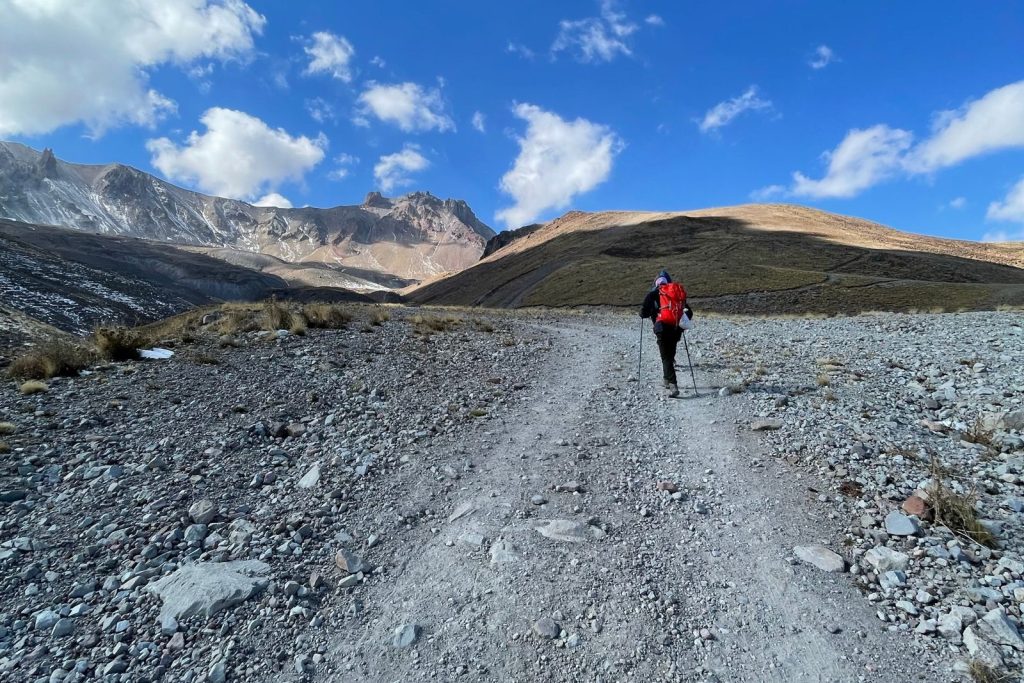
“How fit do I need to be for a trek in Nepal?” is one of the questions we hear most. The good news is that most popular treks do not need a mountaineering background. They do need regular walking fitness, strong legs and a body that is used to long days on its feet. This page gives a simple, realistic way to prepare over about two to three months, and tells you what matters most.
What a trekking day actually asks of you
On most Himalayan treks you walk for roughly five to eight hours a day, with several hours of climbing and descending, for many days in a row. The challenge is not speed. It is steady walking, day after day, at altitude where each step feels harder. That is why the goal of training is endurance and leg strength, not sprinting or heavy lifting.
A simple plan for 8 to 12 weeks
- Walk three to four times a week. Start with 45 to 60 minutes and build up to a longer walk of three to five hours at the weekend.
- Add hills and stairs. Climbing is the best match for the trail. Use stairs, a hill or a treadmill on a slope, and walk down as well, because long descents are hard on the knees.
- Carry a light daypack. Add a few kilograms as you progress so your shoulders and back get used to it. On our treks your main bag goes with a porter, and you carry only a small daypack.
- Do leg and core exercises twice a week. Squats, lunges, step-ups and planks help your knees and back stay steady.
- Add some easy cardio. Cycling, swimming or a gentle jog once or twice a week builds breathing capacity.
Break in your boots and your poles
Do your long training walks in the boots and socks you will wear in Nepal. New boots on a long trail are the quickest way to get blisters. If you plan to use trekking poles, practise with them too, especially on the downhill sections.
Fitness does not cancel altitude
Being fit helps, but it does not protect you from altitude sickness. Fit people can be affected as easily as anyone else, so the sensible plan is to walk slowly, drink water, rest and follow your guide’s advice. Read our altitude sickness guide for the warning signs and how a gradual schedule helps.
Choose a trek that matches your fitness
If you are new to trekking, start with a shorter route. Our easiest treks for beginners page explains the options, and Ghorepani Poon Hill is a popular first Himalayan walk. If you already walk regularly and want a longer challenge, Everest Base Camp from US$1,386 is a 14-day trek with a licensed English-speaking guide for the whole trek and one porter for every two trekkers. Tips are not included.
Before you go
If you have a medical condition, or you are unsure about your heart, lungs or knees, talk to your doctor before you book. Then use our packing list to prepare the right gear. If you tell us your dates and your current fitness, we will honestly suggest the trek that suits you.
Ready to plan your Himalayan walk with a local team in Kathmandu? Message us on WhatsApp or by email and we will reply with a clear plan and price.
Tell us your dates and we will reply with a clear itinerary and price.
WhatsApp usSee all treks