Everest Base Camp Trek Cost 2027: Full Price Breakdown
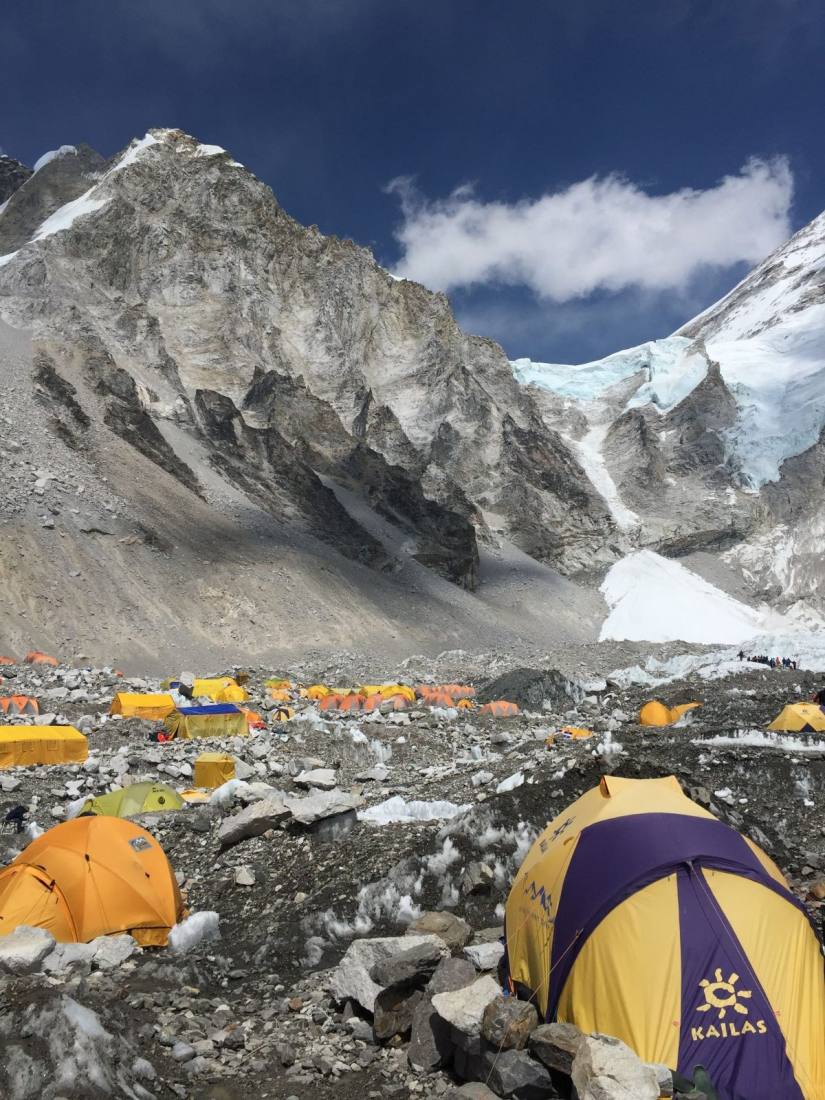
The Everest Base Camp (EBC) trek is the most famous walk in Nepal, and the first question almost everyone asks is: how much does it really cost? The honest answer is that it depends on how you travel. A guided trek with a local company costs more than organising everything yourself, but it includes things that are easy to forget when you add up a budget.
Below is a practical breakdown for 2027 so you can plan with realistic numbers. Prices change from year to year, so treat the figures as typical ranges rather than fixed quotes.
Quick answer
Most trekkers spend roughly US$1,250 to US$3,000 per person for the trek itself on a guided 12 to 14 day itinerary, not counting international flights. Our own 14-day Everest Base Camp Trek starts from US$1,386 per person; open the package page to see exactly what is included. Luxury lodges, helicopter returns and extra acclimatisation days push the total higher.
What makes up the cost of the EBC trek
| Item | Typical cost |
|---|---|
| Kathmandu to Lukla return flight | About US$360 to US$450 (varies by season) |
| Park and local permits | About US$50 to US$60 in total |
| Licensed guide | About US$30 to US$40 per day |
| Porter (carries up to about 20 kg for two trekkers) | About US$20 to US$30 per day |
| Teahouse room | About US$5 to US$15 per night, higher at altitude |
| Meals | About US$25 to US$35 per day |
| Hot shower, charging, Wi-Fi | About US$1 to US$10 each, rising with altitude |
| Tips for guide and porter | Customary; many groups budget 10 to 15 percent of the trek price |
Figures are typical ranges compiled from published trekking guides and local rates in 2026. Always confirm current fees with your trekking company before you pay.
Permits and fees
For the Everest region you pay two main permits: the Sagarmatha National Park entry fee (NPR 3,000 per person) and the Khumbu Pasang Lhamu Rural Municipality fee (currently about NPR 3,000 per person after an increase in 2024). Some operators also arrange a trekkers’ information card; rules on this have changed in recent years, so ask us what applies on your dates. Together the permits come to roughly US$50 to US$60. Your company normally buys these for you in Kathmandu and Lukla.
Trekking in Nepal’s national parks is organised through registered agencies and licensed guides. That is another reason to book with a licensed local company: it keeps you legal and makes sure the guide is insured and trained.
Flights to Lukla
Most itineraries fly into Lukla, which is the shortest route to the trail. The return flight usually costs about US$360 to US$450. In busy months the flights sometimes operate from a different airport than Kathmandu, and weather delays are common, so keep one or two spare days at the end of your trip. If you want to avoid the flight, ask us about the longer overland route.
Guide and porter costs
A good guide is the single most valuable thing you can pay for on this trek. They handle altitude decisions, lodges, permits and emergencies. A porter costs a little less and lets you carry only a light daypack. Over 12 to 14 days, guide and porter together usually add US$400 to US$800 to the budget, and tips are in addition.
Teahouse costs along the trail
Everything on the trail is carried up by porters, mules or yaks, so prices rise with every day of altitude. A dal bhat (rice, lentils and vegetables) is the best value because refills are usually free. Expect to spend about US$25 to US$35 a day on food and US$200 to US$400 on extras such as hot drinks, showers, charging and bottled water over the whole trek.
Cost by travel style
- Budget: a basic package with shared lodges and a guide. Roughly US$1,250 to US$1,800.
- Mid-range: private guide, porter, better lodges and an extra acclimatisation day. Roughly US$1,800 to US$3,000.
- Premium: upgraded lodges, small private group, helicopter return from Gorak Shep or Kala Patthar. Often US$3,000 and above. See our Everest Base Camp trek with helicopter return for an example.
Costs people forget
- Nepal tourist visa (available on arrival; check the current fee).
- Travel insurance that covers trekking up to 6,000 metres and helicopter evacuation. This is essential.
- Hotel nights in Kathmandu before and after the trek.
- Gear you do not own, such as a down jacket and sleeping bag, which you can usually rent in Kathmandu.
- Extra days if flights are delayed.
How to keep the cost down without cutting safety
- Travel in a small group so guide and transport costs are shared.
- Rent a sleeping bag and down jacket in Kathmandu rather than buying.
- Carry a water filter or purification tablets instead of buying bottled water.
- Book direct with a Kathmandu company instead of through an overseas agent, who adds a commission.
- Never skimp on insurance, acclimatisation days or a licensed guide.
When to go
Spring (March to May) and autumn (late September to November) are the most popular seasons and the most crowded. Read our guide to the best time to trek in Nepal to choose your dates.
Frequently asked questions
Is Everest Base Camp trek expensive?
Compared with many mountain treks around the world it is good value, but it is not the cheapest trek in Nepal. The Lukla flight and altitude pricing on the trail are the main reasons.
Can I trek to Everest Base Camp without a guide?
Nepal’s trekking rules have tightened in recent years and requirements differ by area, so ask your trekking company or the Nepal Tourism Board for the current rule. A guide is strongly recommended for safety at altitude regardless.
How many days do I need?
Plan 12 to 14 days from Kathmandu for a comfortable itinerary with acclimatisation. See the full day-by-day plan on our Everest Base Camp Trek page.
Related guides
Tell us your dates and we will reply with a clear itinerary and price.
WhatsApp usSee all treks