Nepal Trek Packing List 2027: What to Bring, Rent and Leave Behind
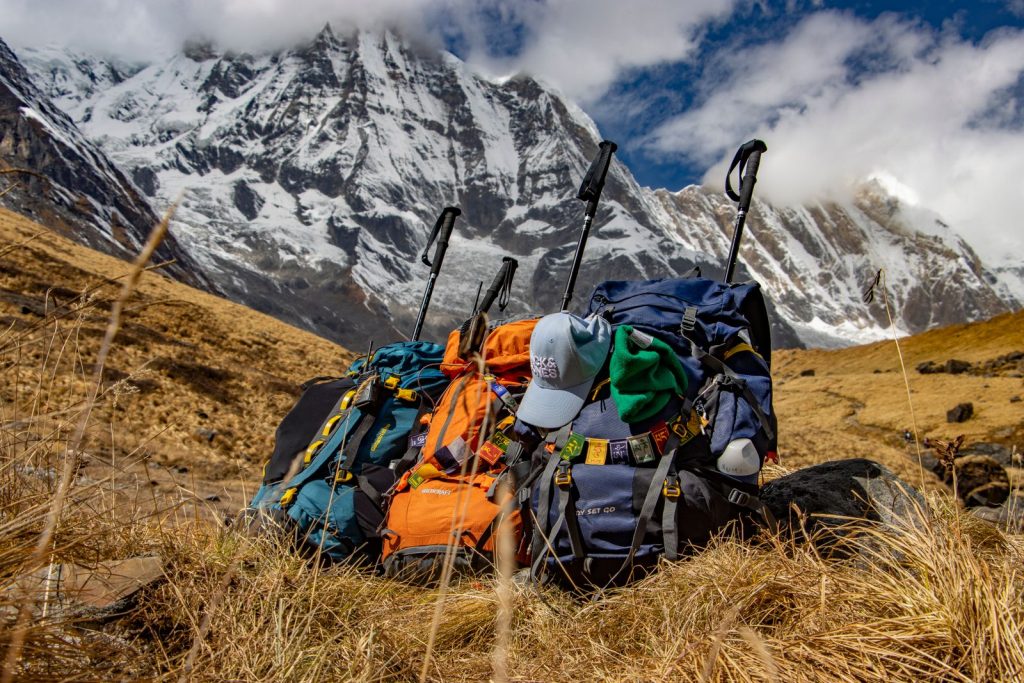
Packing for a Nepal trek is a balancing act: carry too little and you are cold or uncomfortable, carry too much and every climb gets harder. This guide lists what most trekkers on teahouse routes actually need, what you can rent or buy in Kathmandu, and what to leave at home. Adjust it for your route, season and altitude.
How much to carry
On a guided teahouse trek, porters usually carry your main duffel while you carry a small daypack of about 8 to 10 kg with water, a warm layer, rain jacket, camera and snacks. Airlines and porters commonly work to a weight limit for the main bag, so ask your operator for the exact figure before you pack.
Clothing: think in layers
- Base layers: two or three quick-drying tops and one or two pairs of thermal bottoms, preferably merino or synthetic rather than cotton.
- Mid layers: a fleece or light insulated jacket for evenings and mornings.
- Outer layers: a waterproof, breathable shell jacket and trousers, plus a down jacket for higher routes and cold seasons.
- Trekking trousers and shorts: two pairs of quick-drying trousers; shorts are optional on low, warm sections.
- Underwear and socks: enough for several days, with 3 to 4 pairs of good trekking socks.
- Head, neck and hands: sun hat, warm beanie, buff or scarf, light gloves and a warmer pair for high altitude.
Footwear
Broken-in, waterproof trekking boots with good ankle support are the single most important item. Never start a long trek in brand-new boots. Bring a pair of light camp shoes or sandals for teahouse evenings, and consider gaiters in monsoon or snow conditions.
Sleeping gear
Teahouses provide a bed and blanket, but rooms are not heated. A warm sleeping bag rated for the cold of your route is the usual choice, and many trekkers rent one in Kathmandu. A sleeping bag liner adds warmth and keeps things clean.
Trekking equipment
- A daypack of 25 to 35 litres with a rain cover.
- Trekking poles, which take pressure off the knees on long descents.
- Headlamp with spare batteries, because early starts and power cuts are common.
- Sunglasses with UV protection and high-factor sunscreen and lip balm.
- Two water bottles or a hydration bladder, plus water purification tablets or a filter.
- A dry bag or plastic liners to keep your things dry.
Health and personal items
Bring a small first-aid kit with blister plasters, pain relief, rehydration salts and any personal medication, plus hand sanitiser, toilet paper, wet wipes and a quick-dry towel. Talk to your own doctor about altitude medication and vaccinations before you travel. Our altitude sickness guide covers what to watch for on the trail.
Documents, money and electronics
- Passport, visa, passport photos and copies of your travel insurance.
- Cash in Nepali rupees, since ATMs are unreliable or absent on most routes.
- A power bank, a universal adapter and charging cables; charging is often paid for at teahouses.
- A phone or camera, with extra memory cards.
What you can rent or buy in Kathmandu
Sleeping bags, down jackets, trekking poles and many other items can be rented or bought in Kathmandu, especially around Thamel. Quality varies, so check zips, insulation and stitching before you pay. Footwear is best brought from home so that it fits and is already broken in.
What to leave behind
Skip cotton clothing, heavy books, extra shoes, jeans and anything you only might use. Single-use plastic bottles are best avoided; refill with treated water to reduce waste on the trail.
Plan the rest of your trip
Packing needs change with the season, so read our best time to trek post and the permits guide before you finalise your list.
Plan your trek with us
If you would like a gear list tailored to your route and dates, reach us on WhatsApp (+81 70 2232 4287), LINE (@336fwnyl) or email (wildpasstreks@gmail.com), and we will help you pack just what you need.
Tell us your dates and we will reply with a clear itinerary and price.
WhatsApp usSee all treks