Travel Insurance for a Nepal Trek: What to Check Before You Go (2027)
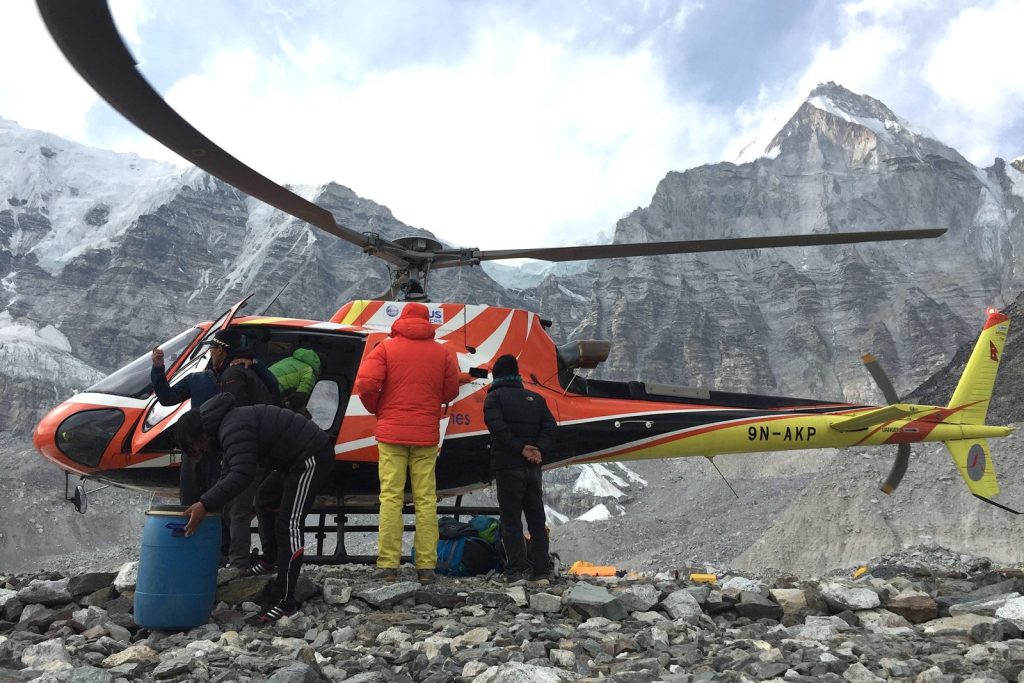
Travel insurance is one of the most important things to arrange before a Himalayan trek, and one of the easiest to get wrong. Many standard policies do not cover trekking at altitude, and a helicopter rescue in Nepal can be costly if you are not covered. This page explains what to check before you buy, so you can choose a policy that matches your trek. We are a trekking company, not an insurer or financial adviser, so please read the policy wording yourself.
Check the maximum altitude
This is the first thing to look at. Many ordinary travel policies exclude trekking above a certain height, often somewhere around 3,000 to 4,000 metres, unless you buy an extra option. Look up the highest point of your trek and make sure the policy clearly states it covers walking to that altitude. For example, Everest Base Camp reaches about 5,364 metres, and Kala Patthar about 5,545 metres. If the wording is unclear, ask the insurer to confirm in writing.
Emergency helicopter evacuation
On remote trails, a helicopter is often the fastest way to reach a hospital if someone becomes seriously ill, for example with severe altitude sickness. Check that the policy covers emergency rescue and evacuation by helicopter, not only ground transport. Also check whether there is a limit on the amount. Read our altitude sickness guide to understand the warning signs, and see our Everest Base Camp helicopter return guide if you are considering a planned flight back.
Medical costs and returning home
Look at what the policy pays for hospital treatment, doctor visits and medicine, and whether it covers medical repatriation, which means being flown back to your home country if needed. Check the limits and the excess you would pay yourself.
Trip cancellation and delays
Flights to and from the mountains can be delayed by weather. Cancellation and delay cover can help with extra costs such as hotel nights or rebooked flights. Check what reasons are accepted and what you must prove.
Pre-existing conditions
If you have a medical condition, tell the insurer and ask clearly whether it is covered. Not declaring a condition can cause a claim to be refused. Speak to your doctor before booking a high-altitude trek.
Does it pay upfront or reimburse you?
Some policies pay the hospital or rescue company directly. Others ask you to pay first and claim the money back later. Find out which applies, because upfront costs in an emergency can be large. Also keep receipts, reports and photographs for any claim.
Carry your details with you
Keep your policy number and the insurer’s 24-hour emergency phone number on paper and on your phone, and give a copy to your guide. Rescue operators may ask for proof of insurance or a payment guarantee before they fly, so having this ready can save valuable time. Add it to your packing list documents.
What our treks include
On our treks, your guide’s and porter’s wages and their insurance are included, along with park permits. Your own travel insurance is something you should arrange yourself. For example, Everest Base Camp from US$1,386 is a 14-day trek with a licensed English-speaking guide for the whole trek and one porter for every two trekkers. Tips are not included.
Planning a Himalayan trek and want honest advice? Message us on WhatsApp or by email, and we will reply with a clear plan and price. This page is general information and not financial or legal advice.
Tell us your dates and we will reply with a clear itinerary and price.
WhatsApp usSee all treks