Teahouse Trekking in Nepal: What to Expect on the Trail (Rooms, Food, Water, Costs)
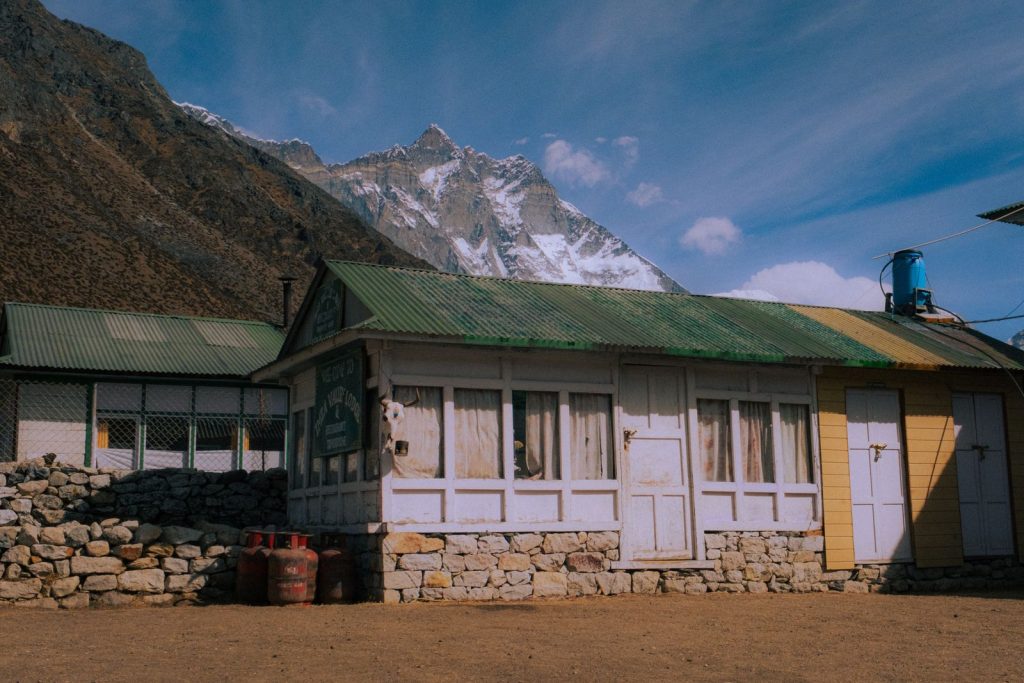
Most trekkers in Nepal sleep and eat in teahouses: simple, family-run lodges along the trail. There is no need to carry a tent or cook your own food on the popular routes. This guide explains what to expect from rooms, meals, water, charging, showers and costs, so nothing on the trail comes as a surprise.
What a teahouse is
A teahouse is a small lodge with a dining room and basic bedrooms, usually run by a local family. You walk from village to village, stopping at a different lodge each night. Facilities are simplest at the highest and most remote stops and more comfortable on lower routes such as Annapurna and Langtang.
Rooms and beds
Rooms are usually twin rooms with two single beds, a mattress, a pillow and a blanket. Walls can be thin and rooms are not heated, so a warm sleeping bag is useful. Many lodges have shared toilets, and a few have attached bathrooms on lower routes. In the busy autumn and spring seasons, popular stops can fill up, which is one reason a guide who arranges rooms ahead is a real help.
Food and the dining room
The dining room is the warm, social centre of the lodge, and meals are cooked to order from a menu. Dal bhat, the Nepali meal of rice, lentil soup and vegetables, is a trekker favourite, often with free refills. Noodle soup, fried rice, pasta, potatoes, eggs, porridge and pancakes are common. Menu prices rise with altitude because everything is carried in on foot or by animal, so expect to pay more the higher you go.
Drinking water
Avoid buying plastic bottles. Most lodges sell boiled water, and some have filtered or refill stations. Carry purification tablets or a filter as a backup, and drink steadily through the day, which also helps at altitude. Our altitude sickness guide explains why hydration and pace matter.
Charging, wifi and hot showers
Charging devices and using wifi are often paid extras that cost more higher up, and electricity can be unreliable. A power bank is a good idea. Hot showers, when available, are usually charged separately and may be solar or gas heated. Many trekkers simply use wet wipes on the colder, higher nights.
Typical daily rhythm
Days usually start early with breakfast, followed by four to seven hours of walking with a lunch stop, arriving at the next lodge by mid-afternoon. Evenings are spent eating, resting and chatting, and most people are asleep early. Starting early also means more settled weather and clearer mountain views.
Costs to expect
Rooms are often inexpensive or free when you eat dinner and breakfast at the same lodge, and meals and extras are where most of your daily spending goes. Carry enough Nepali rupees for the whole trek, as ATMs are scarce on most routes. Package prices differ, so ask what is included before you compare.
Teahouse etiquette and tips
- Eat your meals at the lodge where you sleep, as this is expected and helps the family.
- Greet people with a smile and a namaste, and dress modestly in villages.
- Pass prayer walls and stupas on the left, in the Buddhist tradition.
- Take your rubbish with you and avoid single-use plastic.
- Tip your guide and porters at the end of the trek if you are happy with the service.
Plan the rest of your trip
Pair this with our packing list, the permits guide and the best time to trek post.
Plan your trek with us
If you would like rooms and a daily plan arranged for you, reach us on WhatsApp (+81 70 2232 4287), LINE (@336fwnyl) or email (wildpasstreks@gmail.com), and we will plan it around your dates.
Tell us your dates and we will reply with a clear itinerary and price.
WhatsApp usSee all treks